
Tin cans are generally considered more eco-friendly compared to plastic, especially when evaluated in terms of recyclability, environmental impact, and long-term sustainability. Tin cans are primarily made from steel coated with a thin layer of tin, and one of their biggest environmental advantages is that they can be recycled endlessly without losing strength or quality. This makes them part of a circular economy where materials are reused repeatedly instead of being discarded after a single use. In contrast, many types of plastic degrade in quality each time they are recycled, and a significant percentage of plastic waste is never recycled at all, often ending up in landfills, rivers, or oceans where it can persist for hundreds of years. Plastic pollution also contributes to the growing problem of microplastics, which can enter soil, water, and even the food chain, posing risks to wildlife and human health.Another important factor is waste management efficiency. Tin cans are easily separated during the recycling process because they are magnetic, which improves collection and recovery rates. They are also highly durable and provide excellent protection for food and beverages, extending shelf life and reducing food spoilage. Since food waste itself has a large environmental footprint, packaging that preserves food longer indirectly supports sustainability. Although the production of metal cans involves mining and energy use, the material’s ability to be recycled repeatedly helps offset these impacts over time. Plastic may be lighter and sometimes cheaper to produce, which can lower transportation emissions in certain cases, but its long-term environmental consequences are far more severe due to low recycling rates and persistent pollution. Overall, when properly disposed of and recycled, tin cans present a more sustainable and environmentally responsible packaging option compared to most traditional plastic packaging solutions.
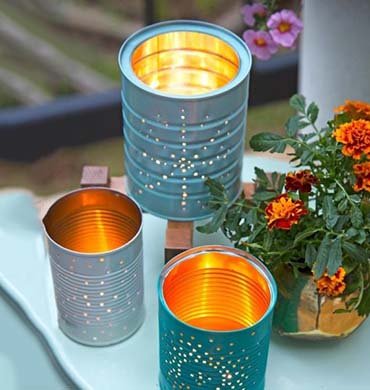
Tin boxes are perfect for reuse because they are strong, durable, and long-lasting compared to many other packaging materials. They do not easily break or tear, making them ideal for storing items like spices, snacks, stationery, or craft supplies. Their sturdy metal body protects contents from moisture, dust, and damage. Tin boxes also come in attractive designs, so they can be reused as decorative storage at home or office. By reusing tin boxes, you reduce waste and support a more eco-friendly and sustainable lifestyle.They are easy to clean and maintain, which makes them suitable for repeated use over many years. Tin boxes can also be repurposed creatively for DIY projects, gift packaging, or organizing small household items. Unlike disposable packaging, they retain their shape and quality even after multiple uses. Choosing reusable tin boxes helps minimize single-use waste and promotes smarter, sustainable storage solutions.
Tin cans consistently achieve higher recycling rates than most types of plastic packaging, making them a more sustainable choice for the environment. Because they are made from steel, they are easily identified and separated in recycling facilities using magnets, which increases collection efficiency and reduces sorting errors. Many recycling systems are specifically designed to process metal packaging, ensuring that a large percentage of used tin cans are recovered and reprocessed. In contrast, plastic often faces challenges such as contamination, complex sorting requirements, and limited recycling capabilities, which result in lower overall recycling rates. Additionally, while many plastics can only be recycled a limited number of times before losing quality, tin cans can be recycled repeatedly without degrading in strength or performance. This high recovery rate and endless recyclability make tin cans a stronger contributor to a circular economy and long-term environmental sustainability.