
Sustainability has become a major focus in recent years, bringing topics like electromobility, veganism, and the energy transition into our everyday conversations. Among these, sustainable packaging is also gaining increasing attention—although one eco-friendly packaging solution has quietly been part of households for decades.
Whether it’s a can of ravioli for a quick weekend meal, spray whipped cream for a birthday celebration, or dog food for a beloved pet, the tinplate can stands out as a remarkably sustainable and environmentally friendly packaging choice—and for good reason.
Timely delivery is a cornerstone of our service, and we prioritize efficiency in our operations to ensure that every order is fulfilled on time, regardless of the complexity or scale. We value the trust our clients place in us and recognize the importance of delivering on our promises without compromise.
Tin cans are a common part of daily life, used for everything from food storage to beverages, yet they’re often overlooked when it comes to sustainability. What many don’t realize is that tin cans—actually made of steel with a thin coating of tin—are among the most recyclable materials available.
Giving these cans a second life not only helps reduce landfill waste but also conserves natural resources and saves significant energy.
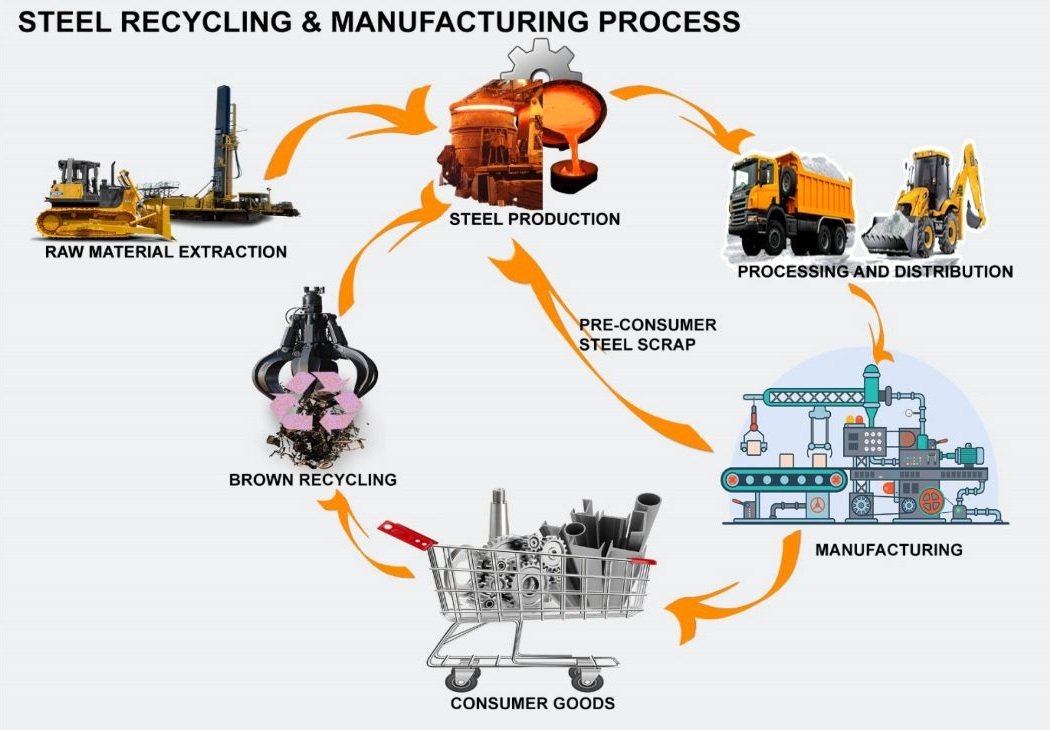
In fact, producing new steel from recycled tin uses up to 75% less energy compared to using raw materials. The recycling process is simple:
once a can is emptied and rinsed, it can be collected, shredded, cleaned, and melted down into raw steel that’s used to create new products—everything from bikes to construction materials—often within just 60 days.
Tin cans are 100% recyclable and can go through this cycle endlessly without losing quality.
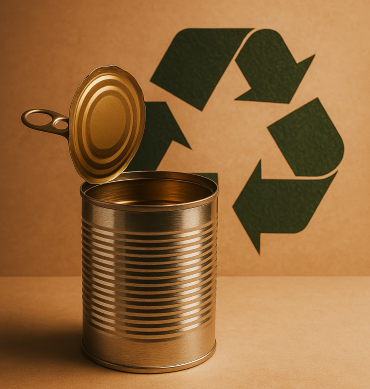
After collection for recycling, steel packaging is efficiently separated from other waste at sorting facilities using magnet-assisted machines. This method is both quick and straightforward. The recovered cans are then compressed and processed into high-quality scrap, making tinplate a sustainable and eco-friendly alternative to plastic.
Pre-processed tinplate serves as high-quality steel scrap that is recycled in steel mills, producing steel with consistently high quality. The recyclable portion of a can largely matches the amount of tinplate used in its packaging.
In 2017, enough tinplate packaging scrap was collected and recycled to build 375 offshore wind turbines—thanks to the high recycling rate of tinplate packaging in Germany, which stands at an impressive 95 percent. This achievement is a point of pride for the Packaging Steel business unit at thyssenkrupp Steel.
However, to truly benefit the environment, more effort is needed. It's essential that both the materials and
labels on cans are properly cleaned and recycled. Tinplate cans should always be disposed of in the recycling bin or bag,
along with other lightweight packaging made from metal, composites, or plastic. Paper and cardboard should go into the paper
recycling container, while bottles and glass containers must be sorted by color and placed in the correct bottle bank.
Residual and organic waste each belong in their designated bins.